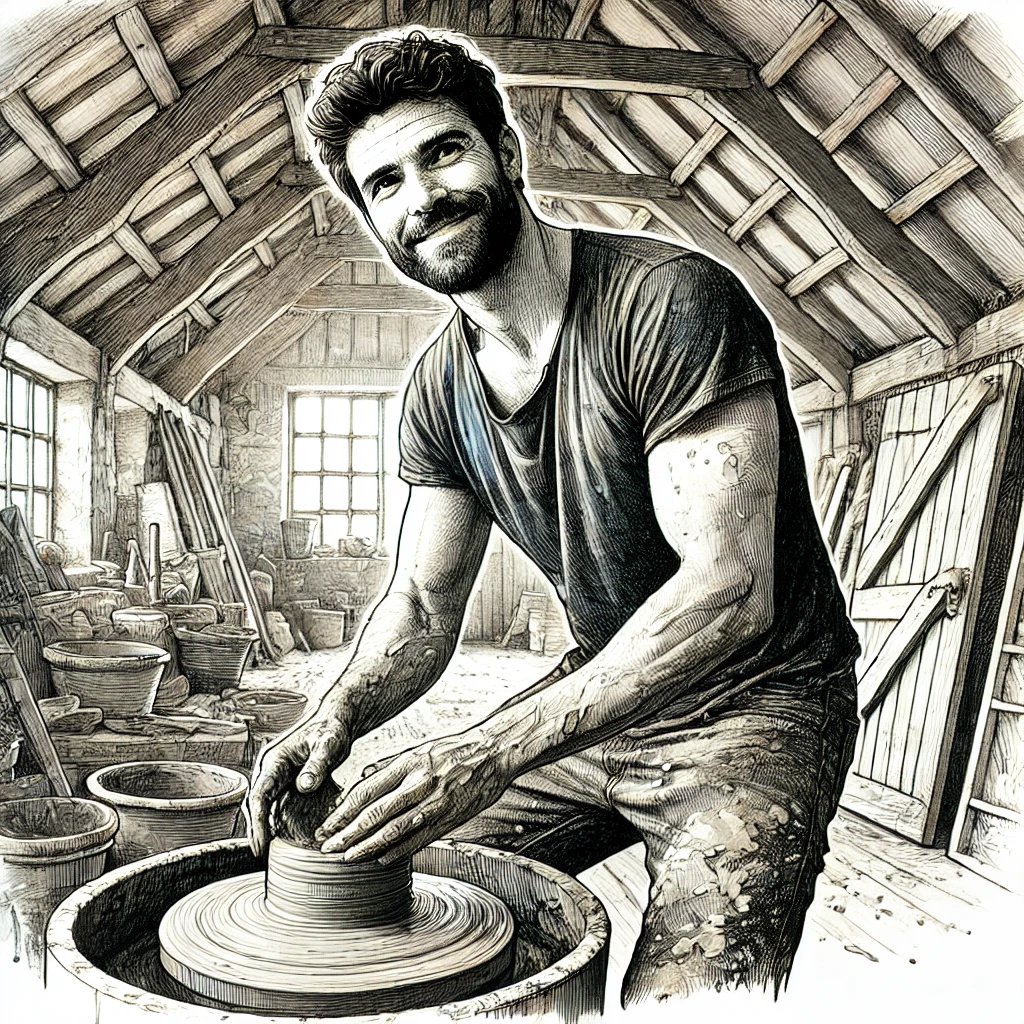
SPRINGFIELD, OHIO — Thirty-six-year-old Mike Thompson appears to have it all. He earns around $250,000 a year at a prestigious corporate firm, lives in a beautifully renovated modern home, drives a top-tier luxury car, and spends his weekends hiking, golfing, or working on personal projects. But one thing you won’t find in his life is a relationship—or any intention to start one.
“I just don’t see the point,” Mike says with a shrug. “I’m not angry about it. I’m not upset with women. It’s just that the traditional path—marriage, kids, all of that—it doesn’t appeal to me anymore.”
Mike is part of a growing movement known as Men Going Their Own Way (MGTOW), which encourages men to eschew relationships and traditional societal expectations surrounding marriage and family life. Instead, followers focus on personal growth, financial independence, and living life on their own terms. For Mike, this decision is less about rebelling against societal norms and more about embracing freedom, particularly in a world where the expectations and dynamics of relationships have shifted significantly.
“I see how relationships are now,” he explains. “What women want, what they expect, it’s different than it used to be. And I’m just not interested in trying to navigate that anymore.”
The Allure of Independence
MGTOW has drawn men like Mike—successful, content, and uninterested in the social pressures to settle down. At the core of this philosophy is a rejection of the traditional belief that a man’s fulfillment must come from marriage or family life. Instead, followers advocate for men to prioritize their own happiness, financial security, and personal development without the entanglements of a romantic partnership.
Mike’s reasoning is practical. He enjoys his high-paying job and the lifestyle it affords him—regular international trips, pursuing expensive hobbies like vintage car restoration, and contributing to his sizable investment portfolio. “I’ve got everything I need. I can do whatever I want, whenever I want. I’m not accountable to anyone.”
For men like Mike, avoiding the complexities and compromises of relationships means sidestepping potential pitfalls that can lead to financial and emotional strain. Many within the MGTOW movement point to the high rates of divorce and the accompanying legal and financial burdens men often face. Mike’s approach, however, is not born out of bitterness.
“I don’t hate women or anything like that,” Mike clarifies. “It’s just that the way relationships are set up now, it feels like men have more to lose. I see it with my married friends—there’s pressure to meet all these expectations, and in the end, many of them don’t seem happy.”
Feminist Criticism and MGTOW’s Dark Side
While MGTOW is a movement that promotes male independence and self-sufficiency, it hasn’t escaped criticism, particularly from feminist circles. Many feminists view the movement as inherently misogynistic, arguing that it promotes an unhealthy attitude toward women. They claim that MGTOW’s core message—that men are better off without relationships, particularly with women—is a rejection of mutual respect and cooperation between genders.
Critics argue that MGTOW’s framing of modern relationships often reduces women to stereotypes of opportunism or emotional manipulation. Feminists assert that MGTOW portrays women as solely focused on material gain, such as seeking out men for financial security through marriage or divorce settlements. This negative framing, they say, dismisses the complexities of relationships and undermines the potential for equitable partnerships. Moreover, feminists worry that MGTOW’s philosophy encourages men to disengage rather than address issues in a productive way that fosters understanding between genders.
The Extremes: Abusive Subgroups and Escalating Anger
While the majority of MGTOW followers, like Mike, are simply looking for independence and personal fulfillment, there are darker corners of the movement that contribute to its controversial reputation. Some subgroups within MGTOW take the philosophy to an extreme, promoting hostility and even outright abuse toward women. In these more radical spaces, women are often vilified, and the rhetoric can shift from personal empowerment to collective anger.
Online forums and communities associated with MGTOW can sometimes devolve into echo chambers where negative and extreme views about women are amplified. These spaces may foster unhealthy perspectives, where men blame women for societal issues, failed relationships, or personal unhappiness. This escalation of anger can lead to toxic attitudes that vilify women and paint all interactions between the sexes as adversarial.
Some critics point out that these more extreme factions of MGTOW reinforce a dangerous narrative, promoting isolationism and even contempt toward women. In the most toxic instances, men within these groups may encourage each other to harass or belittle women online, contributing to a cycle of abuse that has no place in constructive dialogue about gender relations.
“There’s definitely a subset of the movement that goes too far,” Mike acknowledges. “I’ve seen it online—guys who are angry, bitter, and blaming women for everything. That’s not why I’m here. I just want to live my life without all the extra drama.”
This element of MGTOW is what makes it difficult for some outsiders to see the movement in a positive light. Even within the broader MGTOW community, there is disagreement about how the movement should be represented. Many, like Mike, want to distance themselves from the extreme views that can be found online, emphasizing that their focus is on personal freedom rather than hostility toward women.
The Social Costs of “Going Your Own Way”
While MGTOW offers men like Mike a pathway to independence, it isn’t without its social costs. Many of his friends from college or work are now married with families, and over the years, he’s noticed a growing distance between them.
“Some of my friends’ wives don’t want them hanging out with me too much,” Mike admits with a laugh. “They’re worried I’ll give them ideas.”
Mike’s experience isn’t unique. For many men who follow the MGTOW philosophy, there’s a sense of isolation that comes with bucking societal expectations. Married friends are often less available, and even when they do make time, the dynamic can feel strained. Some men in the movement report feeling stigmatized, especially when their lifestyle choices are misunderstood as selfishness or immaturity.
“My friends know I’m not trying to get them to do anything radical,” Mike says. “But I think their wives see me as a threat—like, if they hang out with me too much, they’ll start questioning their own lives.”
This dynamic can lead to a type of social isolation, particularly for men whose peers are largely married. The MGTOW philosophy, though aimed at personal fulfillment, can result in fewer connections and reduced social support as time goes on. Mike himself acknowledges that while he loves his independence, it can sometimes feel like he’s on a different wavelength from most of his social circle.
“It’s harder to connect now,” he admits. “They’ve got families, kids, all these obligations. And here I am, totally free, with my own priorities.”
The Debate: Is MGTOW a Healthy Choice?
The MGTOW movement has sparked intense debate, both among men and in wider society. Critics argue that it promotes isolation, breeds resentment toward women, and fosters an unhealthy view of relationships. Some claim that it encourages men to avoid the emotional growth that comes from navigating intimate partnerships.
Psychologists note that while the movement can offer men a sense of empowerment and control over their lives, it may also come at a psychological cost. “Humans are inherently social creatures,” says Dr. Emily Richards, a relationship therapist based in Chicago. “While autonomy is important, prolonged isolation or avoidance of close relationships can lead to loneliness, depression, or a lack of emotional intimacy.”
Supporters of MGTOW, however, see it as a necessary reaction to a world where the dynamics of relationships are increasingly skewed against men. They point to issues like family court biases, societal expectations of men to provide financially, and the changing roles of women, which they argue have made traditional relationships less appealing or even risky.
For men like Mike, these concerns resonate but aren’t the whole story. He emphasizes that his choice is about self-preservation rather than fear. “It’s not that I’m scared of getting into a relationship or being hurt. I’ve just seen how things play out. And it doesn’t seem worth it to me.”
Looking Forward: Can MGTOW Coexist with Traditional Society?
As MGTOW continues to grow, particularly through online communities, the question remains whether it can coexist with traditional societal structures. In a world where marriage and family life are still considered cornerstones of social cohesion, the movement represents a significant departure from the norm. Whether it’s seen as a rejection of these values or merely an alternative path remains up for debate.
For now, Mike is content living his life on his own terms, unencumbered by expectations that don’t align with his desires. As more men join the ranks of MGTOW, it’s clear that the movement offers a unique perspective on what it means to be fulfilled—and whether that fulfillment must come from relationships or can be found within oneself.
“I’m happy,” Mike says with a quiet confidence. “I’ve got my freedom, my success, and no one to answer to. For me, that’s enough.”
A Balanced Path or an Escalating Divide?
The future of MGTOW and its impact on society remains uncertain. For some men, it offers a path to self-empowerment and a rejection of unhealthy pressures. For others, it raises concerns about loneliness, isolation, and the erosion of the traditional family unit. Mike’s story highlights both the appeal and the challenges of going your own way—showing that while the road may be liberating, it is not without its own set of obstacles.
As society evolves, movements like MGTOW force us to grapple with questions about gender, relationships, and what it truly means to live a fulfilling life. Mike, for now, has made his choice. The question is, how many others will follow?
By Mark Arnold


Leave a Reply